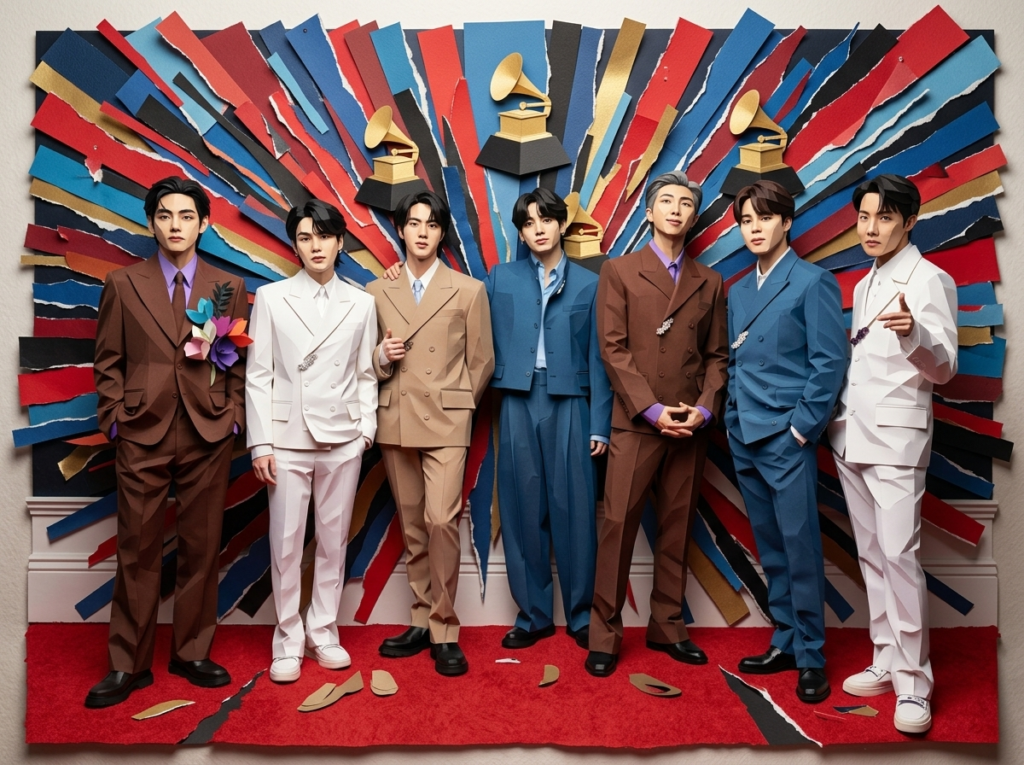
On Wednesday (July 29), all seven members of BTS posted an identical statement simultaneously to their individual Instagram accounts: “We have decided not to submit to the Grammys this year. I hope that music can be heard and loved for what it is, rather than being divided by region or language. Thank you to ARMY and everyone who is always with us.” The announcement, reported first by Billboard and confirmed across multiple outlets within hours, means ARIRANG, the group’s record-breaking March 2026 comeback album, will not be submitted for consideration at the 69th Grammy Awards. The Recording Academy has not yet issued a statement in response.
The timing is inseparable from a specific decision the Recording Academy made in June. Among five new categories introduced for the 2027 ceremony was Best Asian Pop Music Performance, a category covering “contemporary popular music originating from or widely recognized within Asian markets, including K-pop, J-pop and C-pop,” with an eligibility requirement that recordings “feature meaningful use of one or more Asian languages.” BTS was immediately named by outlets including Gold Derby as the prohibitive favorite for the new category, with ARIRANG considered a front-runner for Album of the Year and “SWIM” a strong Best Pop Duo/Group Performance contender as well. The group’s statement, with its specific reference to music being “divided by region or language,” is a direct critique of the category’s design, not a vague statement of artistic principle.
The structural problem BTS and their ARMY community identified is real. A specific recording can only compete in one performance category, meaning a song entered for Best Asian Pop Music Performance cannot simultaneously compete in Best Pop Duo/Group Performance or any other performance category. That creates a genuine triage problem for an artist who wants to compete in the highest-profile categories: entering the new Asian pop category effectively removes a recording from consideration in the general pop field. Most of the tracks on ARIRANG that could have been submitted are predominantly in English, meaning they would have been excluded from the new Asian pop category anyway under its language eligibility rules. The irony is pointed: the category designed to celebrate BTS-style music would not have been eligible for most of ARIRANG’s songs regardless. The statement’s reference to language division is therefore as much about artistic identity as it is about category logistics.