Lionel Richie Just Trademarked the Sound of His Own Voice. “Hello” Is One of Four Filings.
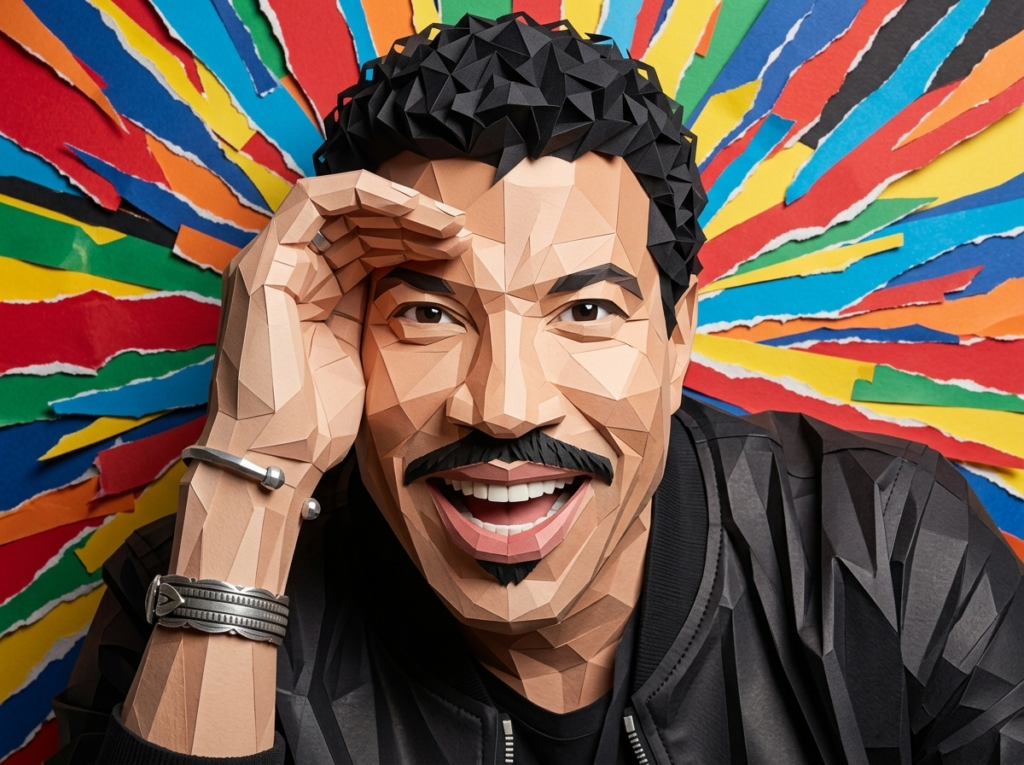
On Thursday (June 11), Lionel Richie filed four trademark applications with the US Patent and Trademark Office, each covering audio recordings of the four-time Grammy winner singing famous lyrics from his catalog: “Hello, is it me you’re looking for?” from “Hello,” along with phrases from “Say You, Say Me,” “Easy,” and “All Night Long (All Night).” The applications list RichLion Holdings, LLC as the owner and were filed on what intellectual property attorney Josh Gerben of Gerben IP described as an intent-to-use basis, meaning Richie is not yet using the phrases as trademarks in commerce. Gerben, who first spotted the filings, framed their purpose directly: “Ultimately, these applications are less about protecting individual song lyrics and more about seeking new legal tools to protect celebrity voices in the AI era.”
The legal mechanics here are unusual, and Gerben’s analysis is worth understanding in full. Sounds can be registered as trademarks, with the “tu-dum” Netflix plays on app launch serving as a commonly cited example of a registered sound mark. But trademark filings built around song lyrics have historically been rare, because a lyric standing alone does not qualify for trademark protection. A sound only qualifies for registration if it functions as a “source identifier,” meaning ordinary listeners associate that specific sound with a specific product or service, the way audiences instantly recognize the NBC chimes or the Netflix startup sound as belonging to those companies and nothing else. Richie’s filings indicate the sounds will eventually be used in connection with providing music and entertainment information, videos, and news about a musical artist, which is the commercial use case his legal team will need to establish to satisfy that source-identifier standard.
Gerben was candid about the difficulty of what Richie is attempting. “Whether Richie’s applications ultimately succeed remains an open question,” he wrote. “From a technical trademark perspective, these filings will be challenging because the USPTO will expect evidence that the sounds function as trademarks rather than simply famous lyrics.” The practical hurdle is that the USPTO will want proof these audio clips operate as brand identifiers in commerce, not simply as recognizable excerpts from beloved songs. Gerben’s conclusion frames the stakes clearly: “If successful, these filings could become an important test case for how trademark law adapts to the AI era.”
Related Stories
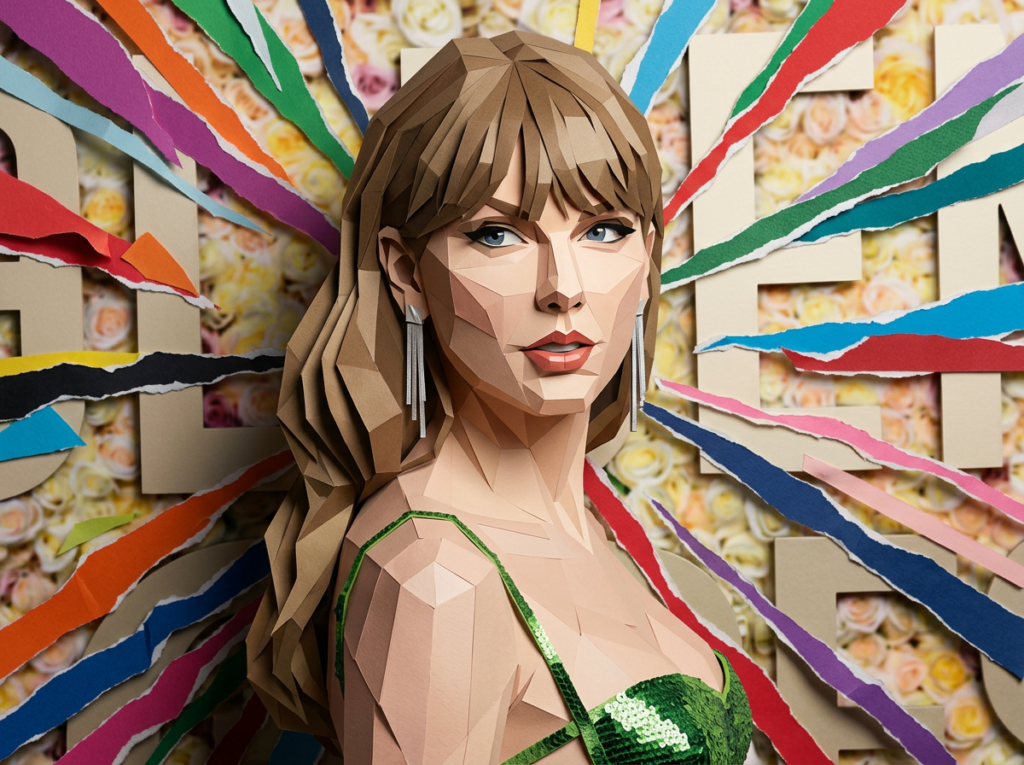
What makes this filing significant is that Richie is not pioneering the strategy, he is following a pattern that has accelerated rapidly in 2026. The framework mirrors the approach taken in Taylor Swift’s recent trademark filings for her voice and likeness, where TAS Rights Management filed applications covering Swift saying “Hey, it’s Taylor” and “Hey, it’s Taylor Swift” alongside an image from her Eras Tour. Actor Matthew McConaughey has sought similar protection for “Alright, alright, alright,” his line from Dazed and Confused, and talk show host Jimmy Kimmel has filed comparable applications this year. The pattern across all of these filings is the same: public figures whose voices carry significant commercial value are reaching for trademark law because existing legal protections were not built for the AI moment.
That gap in existing protection is the real story underneath all of these filings. In the US, name, likeness, and voice have traditionally been protected through right of publicity laws, which vary significantly from state to state and have historically applied primarily to unauthorized advertisements and endorsements rather than AI-generated content. Federal lawmakers have attempted to close that gap with the NO FAKES Act, which would establish an intellectual property right in a person’s voice and likeness for the first time at the federal level. The bill was reintroduced in Congress on May 20, the third time it has been brought before lawmakers after failing to advance out of committee on two prior occasions. Trademark filings like Richie’s and Swift’s represent artists building their own legal infrastructure while that federal legislation remains stalled.
The real-world stakes of the gap are not theoretical. In 2023, an AI track mimicking the voices of Drake and The Weeknd drew more than 250,000 plays on Spotify before being pulled from streaming services entirely. More recently, Sony Music asked streaming platforms to take down more than 135,000 tracks it identified as fraudsters using generative AI to impersonate artists on its roster, with Sony’s Dennis Kooker describing the resulting harm as capable of damaging release campaigns and tarnishing artist reputations. Against that backdrop, Richie’s trademark filings read less like an eccentric legal experiment and more like an artist with substantial commercial assets trying every available tool, however untested, while waiting for the legal system to catch up to a problem that is already here.
Related Stories
Related Stories
Related Stories
Related Stories
FTM Newsletter
Sign Up for the Weekly Flare Newsletter so they news comes to you!