
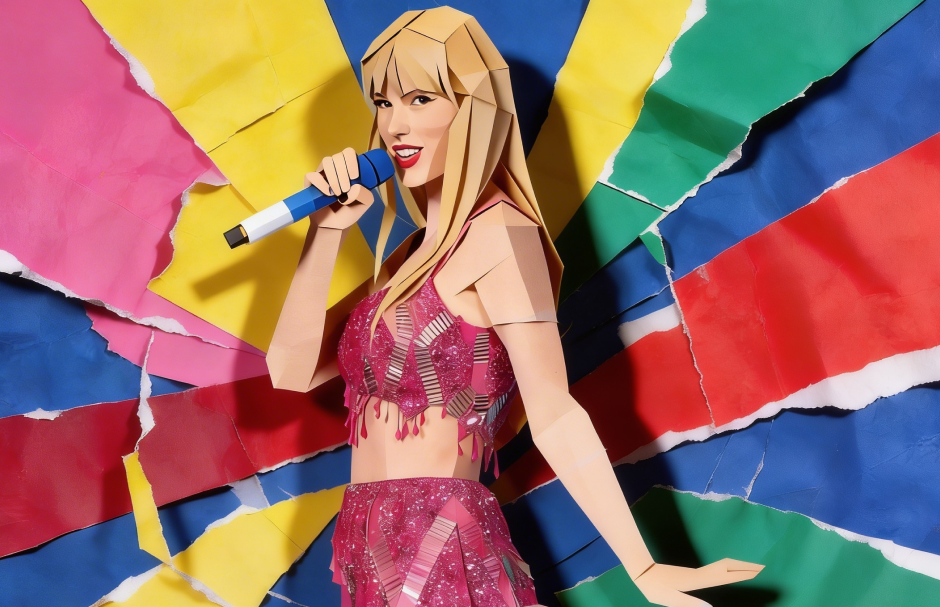
Taylor Swift is facing a trademark infringement lawsuit filed by a Las Vegas entertainer who says the branding around Swift’s latest album is threatening to erase a brand she spent over a decade building. It’s a case that sounds like a long shot on the surface, but the legal foundation underneath it is more solid than you might expect.
The complaint, filed Monday in the U.S. District Court for the Central District of California, was brought by Maren Wade, a Las Vegas performer whose “Confessions of a Showgirl” brand originated as a column for Las Vegas Weekly in 2014 before evolving into a touring stage show. Wade has held a federal trademark on CONFESSIONS OF A SHOWGIRL since 2015. The complaint names four defendants: Swift, her rights management company TAS Rights Management, UMG Recordings, and UMG’s merch company Bravado.
Wade’s show is described in the complaint as featuring “candid and often humorous accounts of the challenges and absurdities of a career in the entertainment industry, from getting stuck inside a giant birthday cake to impersonating a Madonna impersonator.” It’s a niche, long-running act built around a specific identity, and that identity is now being tested against one of the biggest album rollouts in music history.
What the USPTO Already Said
The detail that gives Wade’s case real weight isn’t just the trademark. It’s that the U.S. Patent and Trademark Office already flagged this conflict before the lawsuit was ever filed. When Swift applied to register THE LIFE OF A SHOWGIRL as a trademark, the USPTO issued an initial refusal, citing potential confusion with Wade’s pre-existing mark. The application was also suspended separately over a conflict with an unrelated filing.
That’s significant. The USPTO’s refusal isn’t a court ruling, but it does signal that a federal agency already looked at both marks and found them close enough to raise concerns. Wade’s legal team is building on exactly that foundation.
Swift’s album, her twelfth studio release, dropped in October and immediately shattered records, selling 4 million equivalent album units in its first week in the U.S. and 5.5 million globally. That scale is central to Wade’s argument. She alleges that Swift’s continued use of the name “drowns out” her trademark “until consumers begin to assume that the original is the imitation.” The complaint puts it plainly: “What Plaintiff had built over twelve years, Defendants threatened to swallow in weeks.”
The Irony Nobody Can Ignore
TMZ reports that Wade’s own social media account “seems to be very pro-Taylor,” featuring posts using Swift’s songs and hashtags. It’s the kind of detail that doesn’t help her optics, but it doesn’t necessarily undermine the legal argument either. You can be a fan of someone and still have a legitimate trademark claim against them. The law doesn’t require personal animosity. It requires that a mark exists, that it was registered, and that it’s being diluted or confused by another party’s use of a similar name.