Sinners closed out its awards run at the 2026 Oscars, nearly a year after its theatrical release, ending one of the most dominant campaigns in recent memory.
Sinners entered the night with historic momentum. The film led all nominees with 16 nominations, more than any film in Oscars history, and had already built strong positioning through key wins earlier in the season. Still, it remained an underdog heading into the final vote, with One Battle After Another securing much of the major precursor awards.
That dynamic held.
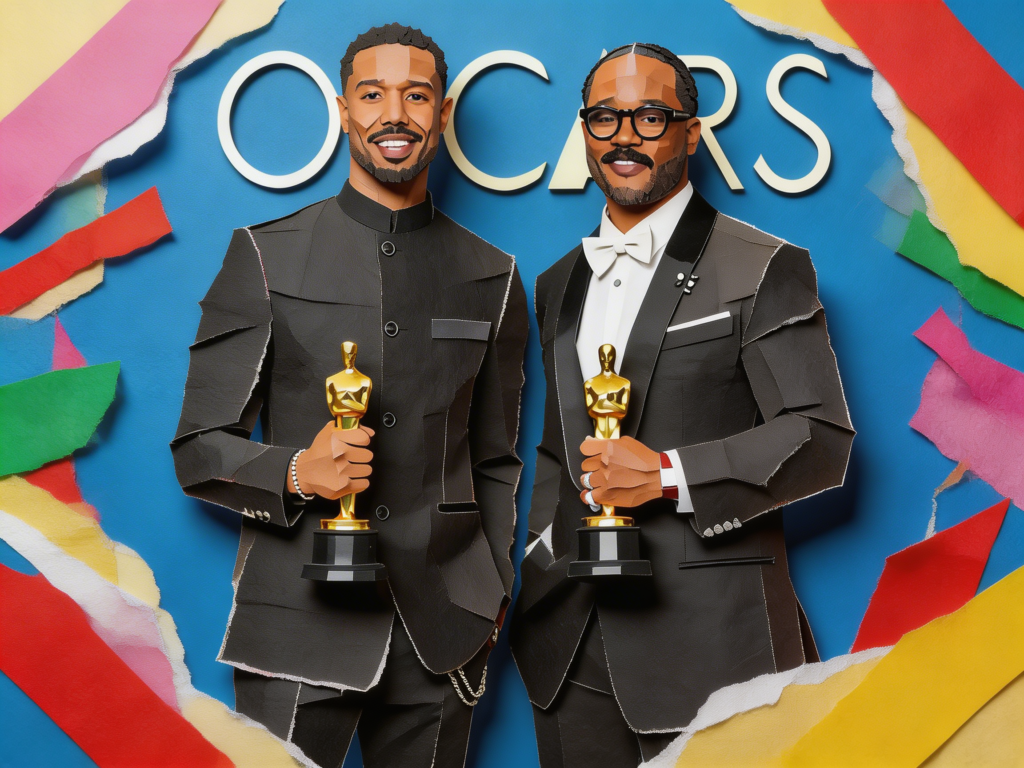
Sinners walked away with four Oscars, falling short of a best picture win but still marking a major night for the people behind the film.
Ryan Coogler secured his first Oscar, winning best original screenplay. The win formalizes what the industry has already recognized for years, placing him firmly among the top filmmakers of his generation.
The film also delivered one of the night’s most historic moments. Cinematographer Autumn Durald Arkapaw became the first woman to win best cinematography, an upset over a category that had largely favored One Battle After Another throughout the awards season.
Michael B. Jordan added to the film’s momentum with a best actor win on his first nomination. His victory followed a late surge during final voting, after building traction at the Actor Awards, and ultimately carried through to Oscar night.
Supporting performances from Wunmi Mosaku and Delroy Lindo were competitive but fell short. Mosaku had split results across major awards bodies, while Lindo gained late momentum after securing a nomination. Neither was enough to overcome established leads in their respective categories.
The film’s final win came in best original score, where Ludwig Göransson earned his third Oscar and second collaboration win with Coogler.
Beyond the awards, Sinners had already secured its place in the industry conversation. The film combined awards recognition with strong box office performance, reinforcing the viability of large-scale original filmmaking at a time when studios are increasingly focused on franchise-driven content.
That positioning was reflected leading into the ceremony. At Warner Bros.’ pre-Oscars event, CEO David Zaslav publicly called Coogler “the greatest writer-director-filmmaker of his generation,” signaling the studio’s alignment behind both the film and its creator.
For Coogler, the film’s success has always been tied to audience connection.
“I wanted people to know we were thinking about them,” he said earlier in the campaign. “We were thinking about the audience on this movie every day.”
Sinners may not have taken the top prize, but its run leaves a different kind of impact. It proved that original films can still dominate both commercially and critically when they connect at scale.
That may be the more important win.