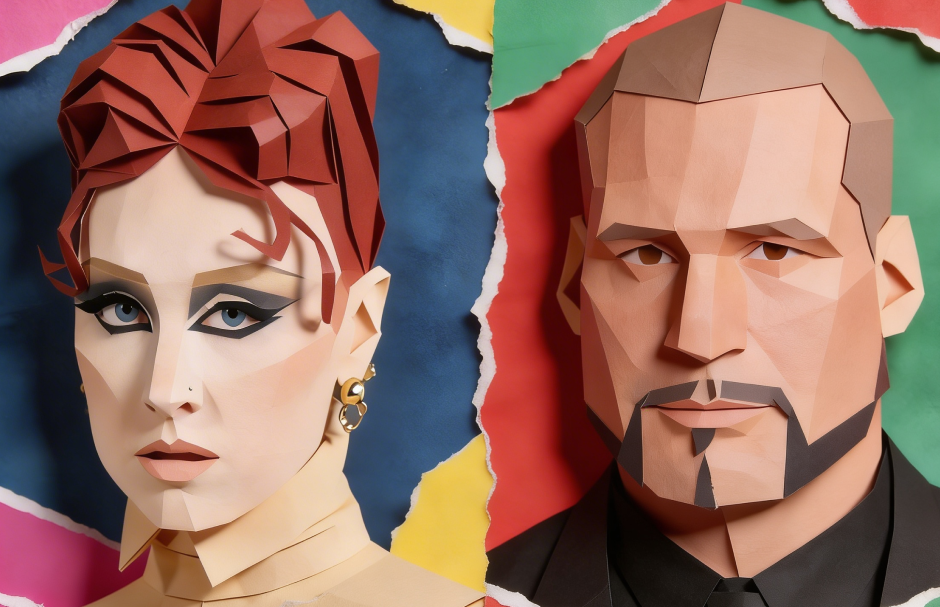
The situation surrounding Chappell Roan and a fan interaction in Brazil is getting more complicated, not less.
The security guard at the center of the incident, Pascal Duvier, has now come forward to say he was not part of Roan’s team and was acting independently. In a statement, he said he was working on behalf of another individual at the hotel and took full responsibility for the interaction, making it clear that his actions were not directed by Roan, her management, or her security staff.
That directly challenges the initial narrative that started circulating after Jorginho posted that Roan had sent someone to confront his family. The situation involved his stepdaughter, who had briefly smiled at Roan during breakfast at a hotel in São Paulo. The claim was that a security guard approached and scolded them, which quickly turned into a wider conversation online.
Roan responded early on, saying she wasn’t aware of the interaction at all and hadn’t asked anyone to approach the family. She also apologized to them, emphasizing that they hadn’t done anything wrong and didn’t deserve to feel uncomfortable.
From there, things didn’t really settle. Jorginho’s wife, Catherine Harding, said she couldn’t confirm whether the guard was officially part of Roan’s team but believed he was with her at the time. That uncertainty is part of why the story kept moving, because no one seemed fully clear on who he was working for.
Now, with Duvier speaking directly, the situation shifts again. His explanation is that he made a judgment call based on what he perceived as a potential security risk, referencing prior activity at the location and general safety concerns. He described the interaction as calm and well-intentioned, while also acknowledging that the outcome wasn’t ideal.
What this really shows is how quickly these moments escalate, especially when they sit at the intersection of artist visibility and public access. One small interaction turns into a much bigger narrative, and once it hits social media, it becomes harder to separate what actually happened from what people assume happened.
It also ties back into a broader conversation Roan has already been part of, around boundaries and how artists navigate public spaces. Even when an artist isn’t directly involved, anything that happens around them can still reflect back on them, especially when the lines between personal security, public space, and fan interaction aren’t always clear.