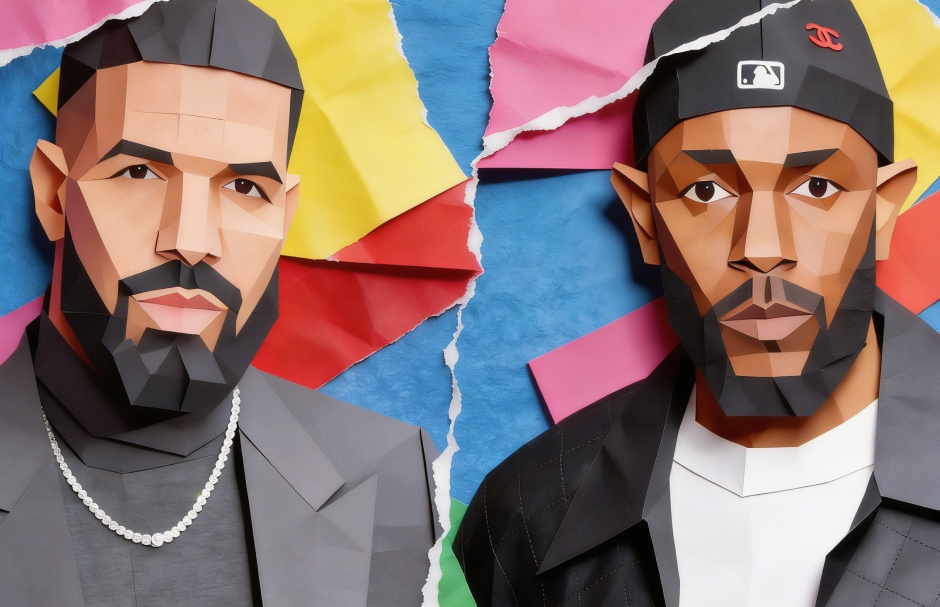
Universal Music Group is pushing back against Drake’s attempt to revive his lawsuit over Kendrick Lamar’s “Not Like Us,” arguing that the case is trying to reframe how hip-hop itself is understood.
The dispute stems from Drake’s claim that the track defamed him, specifically pointing to lyrics that labeled him a “certified pedophile.” A federal judge dismissed the lawsuit last October, ruling that the statements fell within the kind of exaggerated, confrontational language that defines rap battles and would not be interpreted by reasonable listeners as factual claims. Drake appealed that decision in January 2026, arguing that the scale of the audience changed how those words were received and that the impact on his reputation should not be dismissed simply because the statements appeared in a song.
UMG’s response centers on context. The company argues that isolating a single line from a diss track ignores how the exchange actually unfolded, pointing out that the record was part of a broader back-and-forth where both artists made serious accusations. In that environment, they say, the language is understood as performance rather than literal fact, and removing that context to evaluate the lyrics on their own creates a legal standard that doesn’t reflect how the genre operates. This isn’t the first time UMG has found itself navigating the tension between artistic expression and legal accountability — the label has also been central to the ongoing AI copyright debate in the music industry.
The label is also positioning the case as something that could extend beyond this one dispute. Its legal team argues that accepting Drake’s framework would open the door to treating diss lyrics as defamatory statements more broadly, which would challenge a core element of hip-hop’s creative structure. Rap battles have historically relied on exaggeration, insults, and escalation, and UMG is effectively arguing that those elements cannot be separated from the art form without changing it.