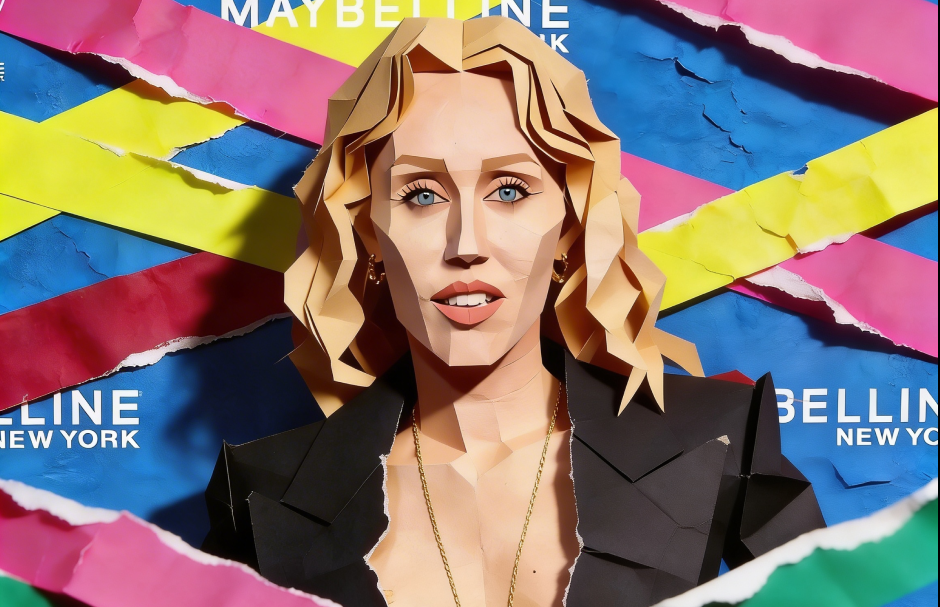
The lawsuit over “Flowers” isn’t slowing down. The company suing Miley Cyrus is now pushing back against her attempt to get the case thrown out, arguing that the similarities to “When I Was Your Man” go far beyond coincidence. In new court filings, Tempo Music is making it clear they believe this isn’t just influence or inspiration — it’s infringement.
Cyrus’ side has been pretty consistent so far. Their argument is that the overlap between the two songs sits in familiar breakup territory — phrases, themes, and ideas that show up across countless records. From that perspective, lines like “I should’ve bought you flowers” and “I can buy myself flowers” aren’t unique enough to be protected. They’re framing it as shared language, not copied work.
Tempo is coming at it from a different angle. Instead of focusing on one lyric or one idea, they’re arguing that it’s the combination of elements that matters — the structure of the chorus, the phrasing, the musical composition, and how those pieces line up together. Their position is that when you zoom out, the similarities become harder to ignore, and that’s where copyright protection comes into play. A judge already rejected Cyrus’ first attempt to dismiss the case in March 2025, finding that Tempo had legal standing to bring the suit.
They’re also leaning into how quickly people made the connection when the song dropped. The comparison between the two tracks wasn’t something that surfaced months later — it was immediate. Fans, media, and industry voices all pointed it out early, and Tempo is using that reaction as part of its argument that the resemblance is obvious, not subtle.
There’s also a deeper layer to this case that makes it a little different. Bruno Mars himself isn’t involved in the lawsuit. Tempo is able to bring the claim because it owns rights tied to co-writer Philip Lawrence, which is another reminder of how ownership in music doesn’t always sit with the most visible name attached to it. It’s the same dynamic playing out in how music catalog acquisitions are reshaping who controls what gets enforced.
Cyrus’ team has also floated the idea that even if there are similarities, the song could be interpreted as a response or commentary, which could bring fair use into the conversation. Tempo is rejecting that outright, pointing to the contradiction in saying the song isn’t connected to Mars while also trying to frame it as commentary on his work.
At this stage, the fight isn’t about proving who’s right yet. It’s about whether the case even gets that far. Tempo is arguing that there’s enough here to let a jury decide, while Cyrus is trying to shut it down before it reaches that point. It’s a pattern the industry has seen before — a version of the same tension driving the UMG and Drake appeal over “Not Like Us”, where the question isn’t just about the music but about where artistic expression ends and legal liability begins.
What this really comes down to is something the industry keeps running into. Where does inspiration end and infringement begin, especially in genres where themes and phrases repeat constantly? This case isn’t creating that question — it’s just forcing it into the spotlight again.