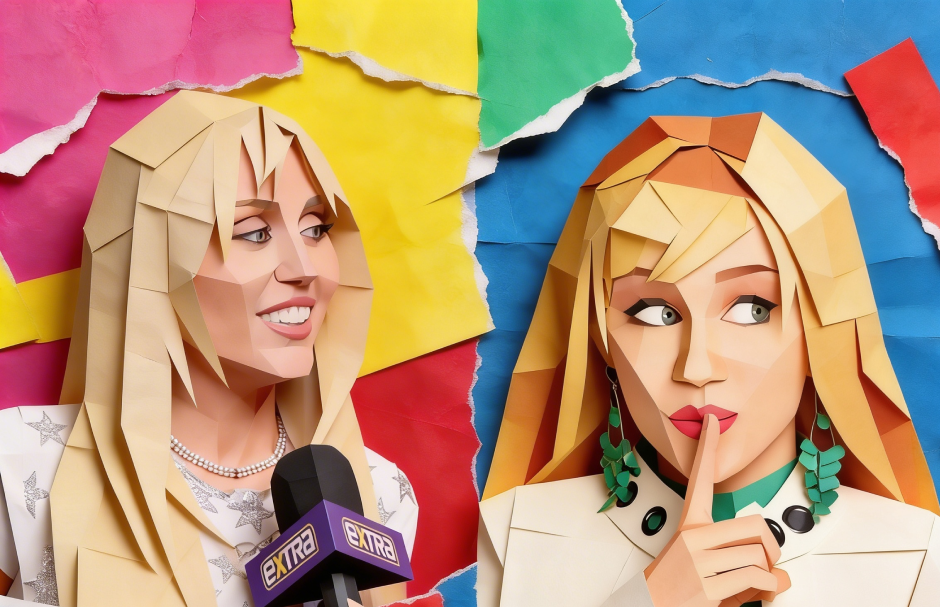
Miley Cyrus is returning to one of the most defining properties of her career, but the moment is less about nostalgia and more about how legacy IP continues to be reactivated.
Twenty years after Hannah Montana first premiered, Cyrus partnered with Disney+ to release a 20th anniversary special that brings the show back into the spotlight. The project recreates the original world that helped launch her career, complete with a rebuilt set, performances of songs she hasn’t touched in over a decade, and a format built around direct fan engagement.
The special is structured as both a retrospective and a continuation. Cyrus steps back into the Hannah Montana persona while also performing as her present-day self, blending the two identities in a way that acknowledges how closely tied they still are. That tension between past and present becomes part of the appeal, especially as she introduces new material like “Younger You,” a track written specifically for the anniversary that reflects on the distance between who she was then and who she is now.
What stands out is how intentionally the project leans into fan memory. The experience is designed to bring audiences back to a specific era of Disney’s dominance in youth culture, while updating it for a streaming-first environment where participation matters as much as viewing. From live performances to recreated moments and direct interaction, the special turns what could have been a simple retrospective into something more immersive.
That same dynamic carries through the appearances. Chappell Roan’s inclusion reinforces the generational impact of the show, positioning Cyrus not just as a former Disney star but as a blueprint for newer artists navigating identity and reinvention. Selena Gomez’s return to the set adds another layer, bringing together two figures whose early careers were shaped in the same ecosystem and reframing their history through a more mature lens.
The special also revisits the cultural environment that surrounded Hannah Montana at its peak. Cyrus reflects on the broader Disney era, including its proximity to projects like High School Musical, while also acknowledging the personal and industry dynamics that came with that level of visibility. Even brief references to moments involving Taylor Swifthint at how interconnected that ecosystem was, where music, television, and celebrity narratives often overlapped.
What ultimately comes into focus is the durability of the brand itself. Hannah Montana was never just a show; it was an entry point into a larger cultural moment that continues to hold value years later. By revisiting it now, Disney and Cyrus are not just celebrating a milestone — they are demonstrating how established IP can be repackaged and reintroduced to both original fans and newer audiences in a way that still feels relevant.
The success of projects like this suggests that legacy acts and legacy properties are not limited to catalog consumption. When framed correctly, they can be turned into new events, new narratives, and new touchpoints that extend their lifespan well beyond their original run.