TikTok and iHeartMedia are starting to redefine what an album release looks like, and Bruno Mars is the first major test case.
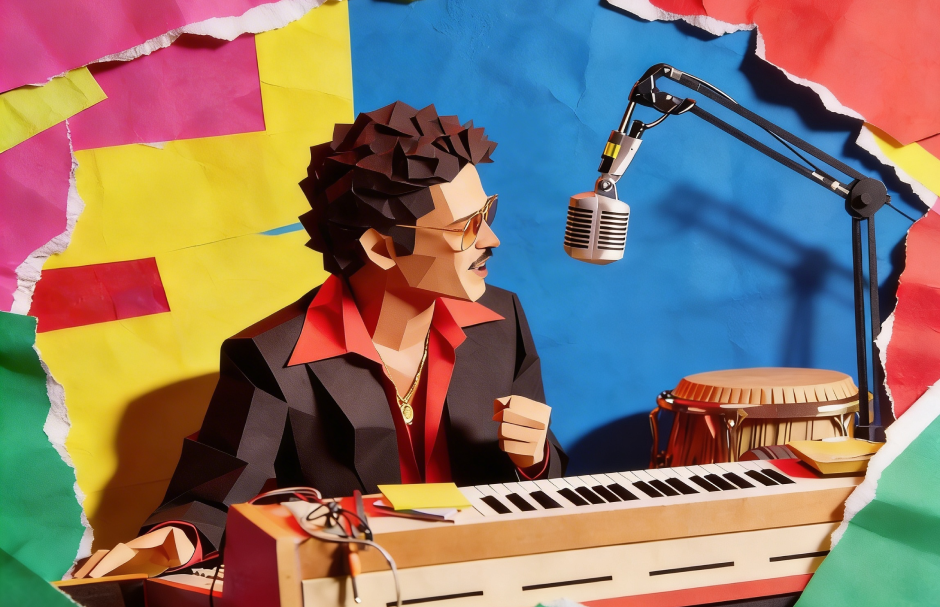
Just days after launching a dedicated TikTok Radio station, the two companies rolled out a new release format built around live, interactive fan engagement. The campaign centered on Romantic Radio with Bruno Mars, a live broadcast that aired simultaneously across TikTok and more than 145 iHeartRadio stations, ultimately reaching over 270 stations nationwide. The full details of the partnership were announced by iHeartMedia directly.
Instead of a traditional rollout built on singles, press runs, and staggered promotion, Mars previewed all nine tracks from The Romantic in a single live moment. Fans weren’t just listening — they were participating. Through TikTok LIVE and iHeart’s Talkback feature, listeners submitted stories, received shoutouts, and engaged directly with Mars in real time, turning what would typically be a passive release into something closer to a shared event.
That shift from distribution to experience is the point. The campaign generated over 3 billion impressions across platforms, while the TikTok livestream alone pulled 36 million likes within its first hour and recorded the highest unique viewership for a live album release in the past year. These aren’t just promotional numbers — they signal how attention is being captured differently. The model also reflects a broader platform trend worth watching alongside Apple Music’s recent move into AI transparency tagging for releases — both companies are rethinking how listeners experience new music the moment it drops.
The results carried into consumption. The Romantic debuted at No. 1 on the Billboard 200, with all nine tracks landing in the Top 100 streaming songs globally. The single “Risk It All” also hit No. 1 on U.S. streaming during release week, reinforcing how tightly aligned the campaign was with actual listening behavior.
What’s emerging here is a new release framework. Instead of relying on fragmented touchpoints — radio, DSPs, social, press — this model compresses everything into a single, high-impact moment that blends broadcast scale with platform interactivity. It turns the release itself into the marketing. It’s also worth noting how this complements what Musixmatch’s Sentinel launch signals on the tech side — platforms aren’t just distributing music anymore, they’re building infrastructure around it.
For labels and platforms, this is less about innovation for the sake of it and more about control over attention. TikTok brings discovery and cultural momentum, while iHeart brings reach and infrastructure. Together, they create something closer to a synchronized launch system, where engagement, distribution, and conversation all happen at once. That same dynamic is playing out at the streaming data level, where Spotify’s partnership with BTS around the ARIRANG release showed how presaves and platform activations can be engineered into a launch event before a single note plays publicly.
The broader implication is that album releases are starting to function less like drops and more like events. In an environment where music is constantly competing for attention, the advantage is no longer just having a strong record — it’s creating a moment big enough that people feel like they need to show up for it.